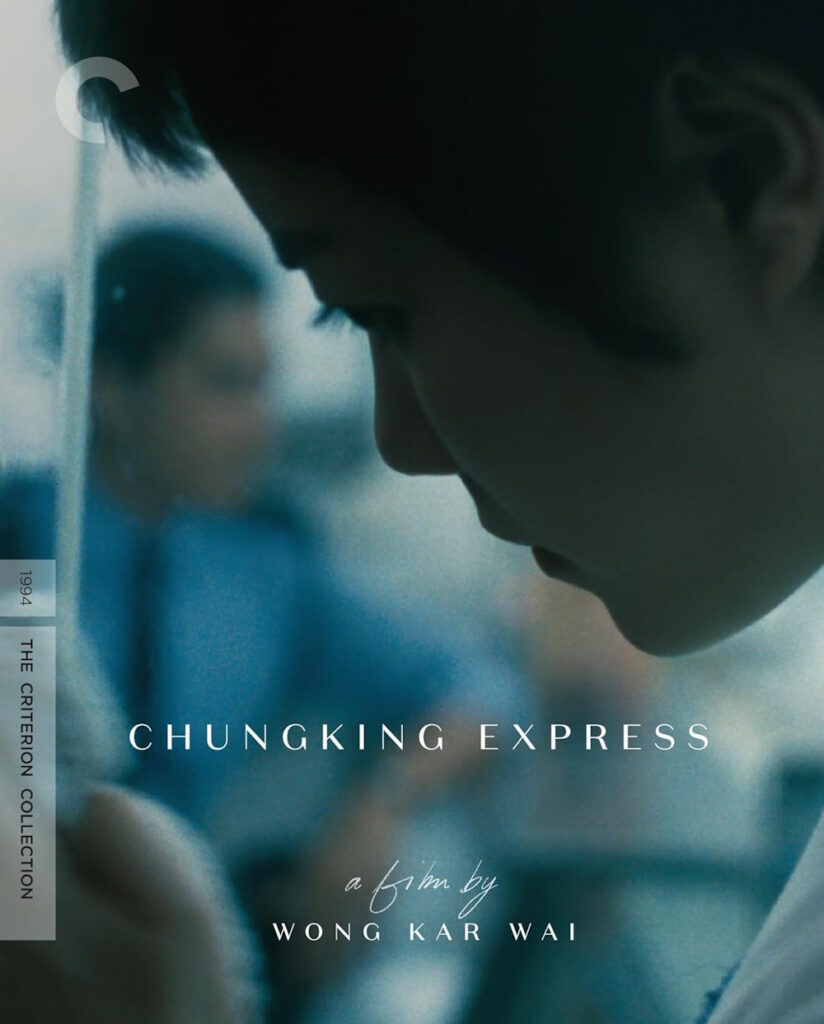
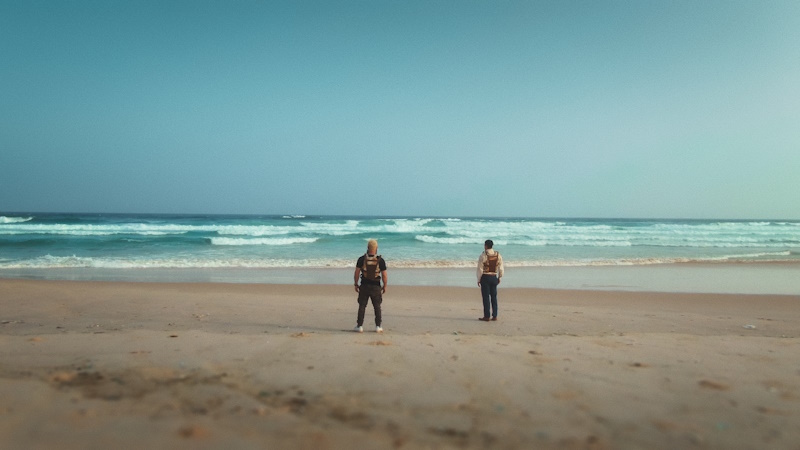
When I first watched Chungking Express (1994), I didn’t enjoy it and didn’t finish the film, and even though it was my first experience of Wong Kar Wai, I was rushed so it didn’t hook me. I decided to give it another chance while going through a boxset of the director’s films from Criterion, and after a second viewing I understood why it was so beloved. While I haven’t seen all of the film’s in the set (I’ve yet to watch In the Mood for Love (2000) and 2046 (2004)), out of the ones that I’ve watched I would argue that Chungking Express is Wong’s masterpiece. I believe it’s one of the best non-English language films to be released in the ’90s, and despite being almost thirty years-old, everyone should definitely give it a chance.
Anthologies are a type of film that I don’t normally enjoy, but both parts of Chungking Express are great, each following a different lovesick Hong Kong police officer. The first story follows He Zhi Wu (Takeshi Kaneshiro), who’s dealing with the end of his relationship with his ex-girlfriend, May. He finds some solace after meeting a woman wearing a blonde wig (Brigitte Lin), who operates a drug smuggling ring. The second tale follows Cop 663 (Tony Leung), who’s in a rut as well after a breakup, and the food stand worker (Faye Wong), who helps him out of it. Both of these stories work for me and overall it’s the type of romantic narrative that I enjoy, focusing on realistic drama rather than corny humour and impossible hijinks. The film embodies many genres, and in a lot of ways it’s completely unique to others as it has funny moments, but you wouldn’t call it a comedy, and although it has criminal elements there aren’t enough to call it a crime film. It’s definitely safer to call it a romantic drama that feels true to life, even if some of the elements of the story seem improbable, and maybe a little bizarre.
his cinematography adds a magical element to the film, making it sometimes feel the viewer is going through the streets of Hong Kong in a daze, and adding a unique atmosphere compared to other Hong Kong movies of the time
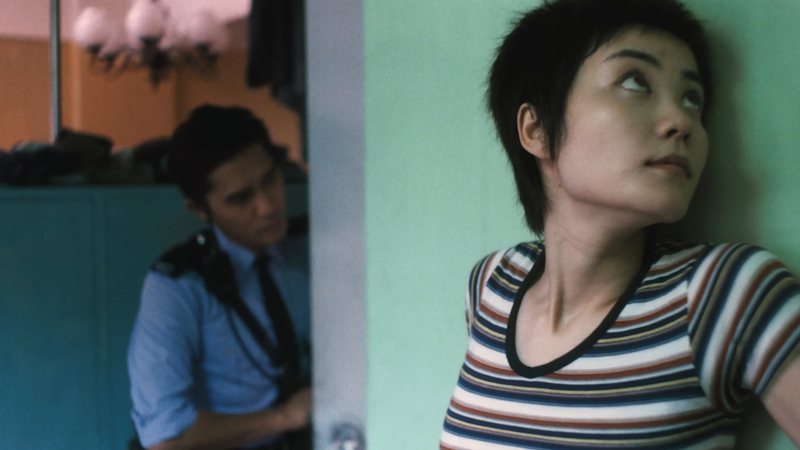
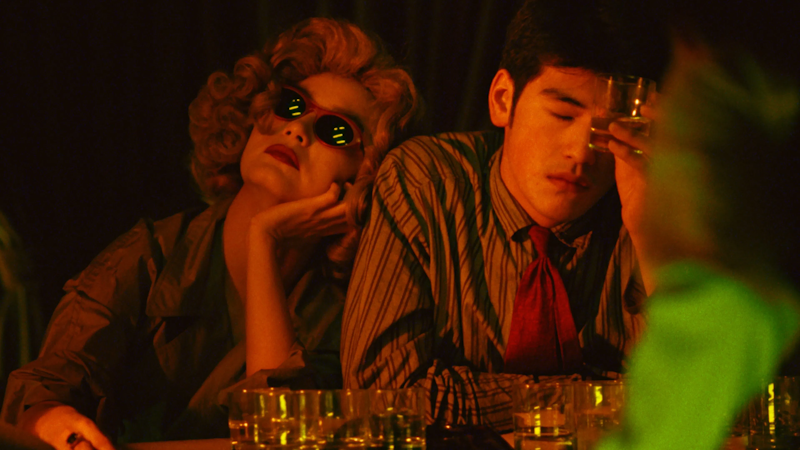
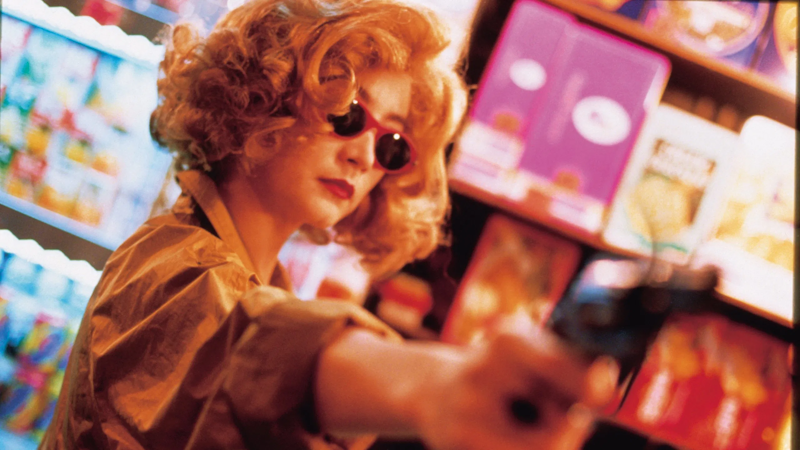
One of the things that makes a Wong Kar-Wai film truly spectacular is the cinematography by Christopher Doyle, who worked with the director in 1990 on Days of Being Wild, and on several other films after Chungking Express. His participation is always one of the draws of Wong’s films, and here his cinematography adds a magical element to the film, making it sometimes feel the viewer is going through the streets of Hong Kong in a daze, and adding a unique atmosphere compared to other Hong Kong movies of the time. This works especially well when Brigitte Lin’s character is being chased by other ne’er-do-wells as it makes the foot chase more dramatic and exhilarating.
A particular stroke of genius by Wong is the use of the song “California Dreamin’” by The Mamas & The Papas. It’s a good song that almost feels overplayed in the film (close to ten times, at a guess). Towards the end you can get tired of hearing it, but this seems to be a purposeful move as the last time it plays it hits home perfectly, which arguably makes it a great use of the song overall, and makes it worth the other times it played in the story.
Worldwide, Chungking Express is probably Wong Kar-wai’s best known work – and it deserves that accolade as although I haven’t seen all of his films, it’s head and shoulders above the ones I have seen. Although a few of his earlier stories can feel more melodramatic, I think that the focuses on real drama rather combined with Wong’s style of filmmaking and Doyle’s cinematography are reasons enough to watch this. The Criterion 4K release includes an interview with cinematographer Christopher Doyle; an episode of Moving Pictures that includes interviews with Doyle and Wong Kar Wai; deleted scenes; and an essay written by Amy Taubin.
CHUNGKING EXPRESS IS OUT NOW ON CRITERION COLLECTION 4K BLU-RAY