An annual series of notes from underground, the Slamdance Film Festival’s experimental shorts strand is a reliably good weathervane of where the cutting edge of cinema is. Perhaps none of the directors assembled here will be the future of cinema in the sense of winning Oscars, being hired by Disney, etc. etc. – but they are the ones mapping out new possibilities for the medium, ones which often do find echo in more commercial work decades later, and it’s important to know what the mood is like on the frontier.
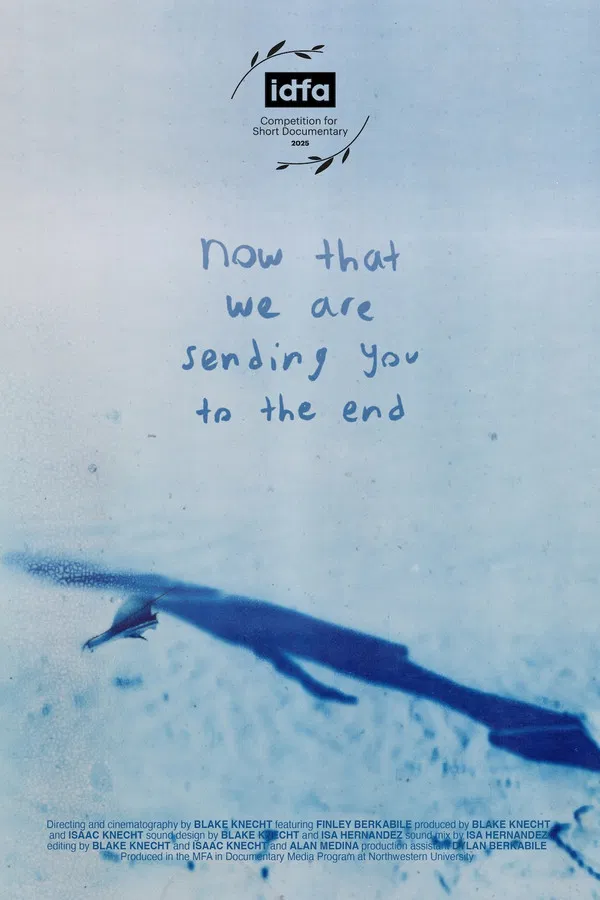
The first surprise, then, is that so many of these films look to the past. Sometimes this is in purely aesthetic terms, as in Blake Knecht’s Now That We Are Sending You to the End. Framed as a prophecy of environmental collapse, something that feels like less and less like a matter of prophecy each year, its style is as nostalgic as its subject matter is post-apocalyptic. Its grainy black-and-white images are interrupted by bubbling bursts of flickering colour, the latter ingredient provided by film stock that’s been actively damaged by the elements. The metaphorical dimension, of a film that’s been destroyed by the climate, is strong, but the retrophilia proves its undoing. It is, arguably, too seductive and old-fashioned in its style to get across the scale of the horrific future it portends.
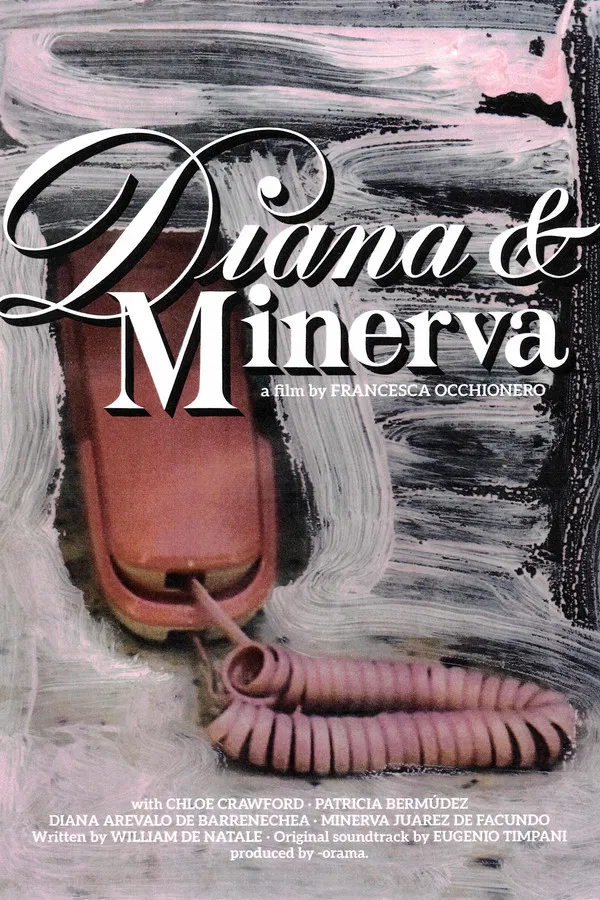
Other films match these retro stylistic elements to a literal voyage into the past. Perhaps none of them goes deeper into history than Francesca Occhionero’s Diana & Minerva, which reaches all the way back to Roman mythology. Yet the film’s visuals are a witty mismatch, consisting of fuzzy SD video of 1980s kitchens. I confess to not having the background in Roman mythology necessary to understand the nuances of the conversation Occhionero stages between the titular goddesses of hunting and wisdom respectively, but there’s something appealingly mischievous about it, mixing hauntology, mythology and high camp. Diana & Minerva‘s literal domestic goddesses are equalled by Kate Nartker in her short Whose Woods Are These, made at the Wilson College of Textiles at North Carolina University. It is an animated film where every single frame is made of hand-woven threads, and it is an absolutely bravura experiment in style and medium.
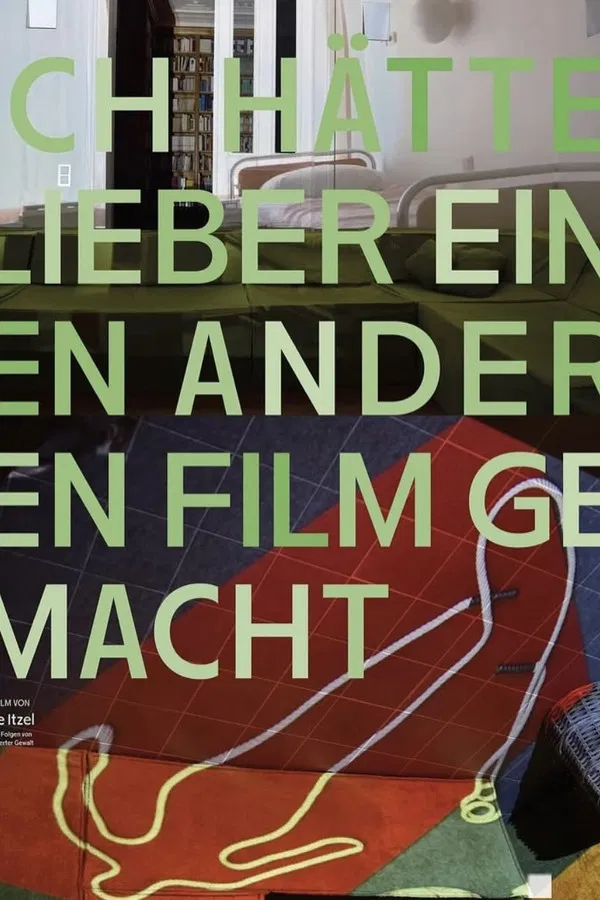
Whose Woods Are These‘s narrative explores buried family secrets, which emerges as a recurring theme in some of the strand’s best films. Again, the impulse to excavate the past is front and centre, but not all of these films are as wedded to retro aesthetics as the shorts discussed above. In the longest and most devastating of these, Suze Itzel’s I Would Have Liked to Make a Different Film, the director’s own account of childhood sexual abuse is played out over two stylistic threads: a projection of abstract shapes creeping across domestic interiors, and old family photos where each human shape has been exactingly sliced out. The metaphorical dimension – the righteous destruction of the image of a happy family – is clear, but Itzel’s unsparing narration and ability to examine her own storytelling keeps the film compelling and disturbing throughout its 24-minute runtime.
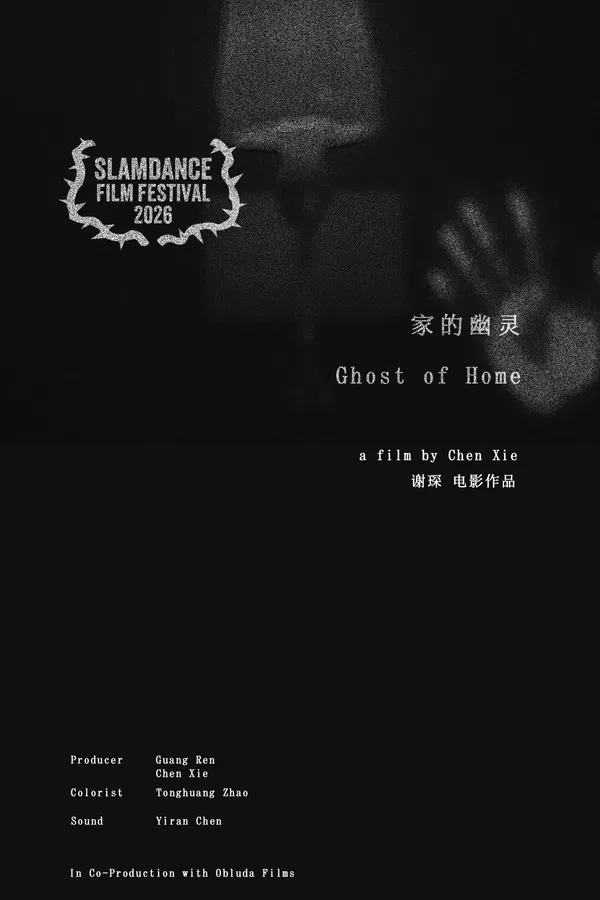
Itzel’s patiently observed domestic interiors find an echo in Chen Xie’s Ghost of Home, a tale of grief shot partly on infra-red cameras. It’s a superficial similarity but it can’t help but harm Xie’s film when it’s placed next to Itzel’s genuinely harrowing work. A more reserved exploration of family history, it does nevertheless make good use of its infra-red imagery as it shows hot handprints slowly fading from existence, just like a memory. Perhaps the saddest story on offer is also the most celebratory of the films, as Kamila Kuc’s I Was There reshapes her grandmother’s story of wartime persecution as a defiant statement of survival. Telling, as the credits revealingly put it, “a story by Helena Kuc as inherited by Kamila Kuc”, it resembles a multi-channel gallery work in its split-screens and ever-changing aspect ratio, but the trickery never overwhelms the extraordinary, painful story at the film’s heart.
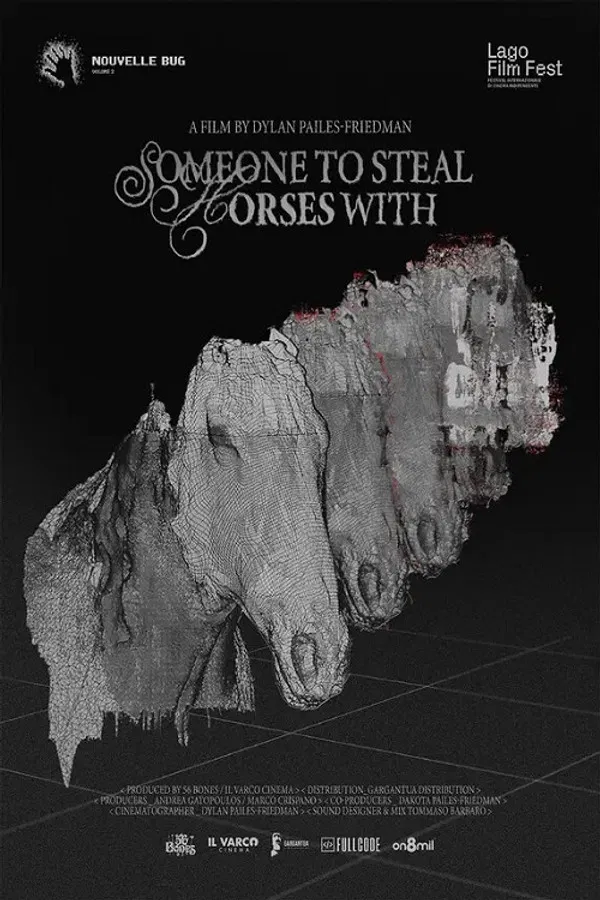
I Was There is even more besotted with grain, archival material and hand-processed film than Now That We Are Sending You to the End, which does raise the ominous question: is the future of cinema its past? Well, Whose Woods Are These at least utilises traditional techniques to show you something you’ve probably never seen before, and there are two shorts which engage directly with the digital world. Dylan Pailes-Friedman’s Someone to Steal Horses With is a creepy-funny nocturnal short in which a talking horse reflects on its past during a promotional radio interview for its autobiography. Bojack Horseman by way of Vernon Chatman, it opens with a terrific joke about Modjo’s 2000 hit ‘Lady (Hear Me Tonight)’ and leaves you with an air of indefinable unease.
As for the final short on offer, Sarah Lasley’s Climate Control, its unease is very easy indeed to define. Made in collaboration with Lasley’s students, it begins as a documentary about a controversial fossil fuel extraction site in Germany but is quickly dragged off course by kitschy superimposed imagery and cliched dialogue. This isn’t a flaw. The conceit of Climate Control is that a sentient AI is trying to overwrite Lasley’s work, covering up the environmental degradation that the AI industry relies on with an incoherent, mindlessly watchable holiday romance.
Climate Control is a good film – Lasley captures the vastness of the mined-out landscapes in scenes worthy of Jennifer Baichwal or Michael Glawogger – and it also casts some light on the concerns of the films it’s been programmed alongside. The last time I checked in on Slamdance’s experimental shorts, in 2024, Lasley was also present with an entirely CG short, and there was also one work, Joseph Wilcox’s Nobody Wants to Fix Things Any More, made using AI. Very good it was too; Wilcox’s film was made in 2023, which might as well be the last millennium in terms of the ethical debates around AI, and it was critical and self-reflexive about the technology it used. One Hollywood strike later, though, and it’s hard to imagine even Wilcox’s satirical use of AI being programmed in 2026.
This is a serious issue, and it’s good that artists are taking it seriously. No industry has perfectly clean hands, but it’s hard to think of a previous artistic medium that’s linked to the sheer amount of crimes AI is – data extraction, copyright theft, deliberately planned mass unemployment, environmental catastrophe, the cancer clusters that surround the industry’s data centres, and an ever-expanding stock market bubble based on an unprofitable product that’s going to screw us all over soon. The risk is that, in rejecting such a flagrantly compromised artistic tool, avant-garde art will forfeit its position as the pioneer of new imagery. This doesn’t have to be the case. There is, god willing, more to new digital imagery than typing and manipulating prompts. But this year’s crop of experimental shorts is very backwards-looking. At its best, particularly in Itzel and Kuc’s shorts, it makes looking backwards into a necessary act of heroism, a way to exorcise anything that stops us moving into the future. The risk, though, is that it becomes merely a more niche expression of the same comforting retro obsessions that mainstream culture is saturated with.
THE EXPERIMENTAL SHORTS STRAND IS A REGULAR FEATURE OF SLAMDANCE FILM FESTIVAL