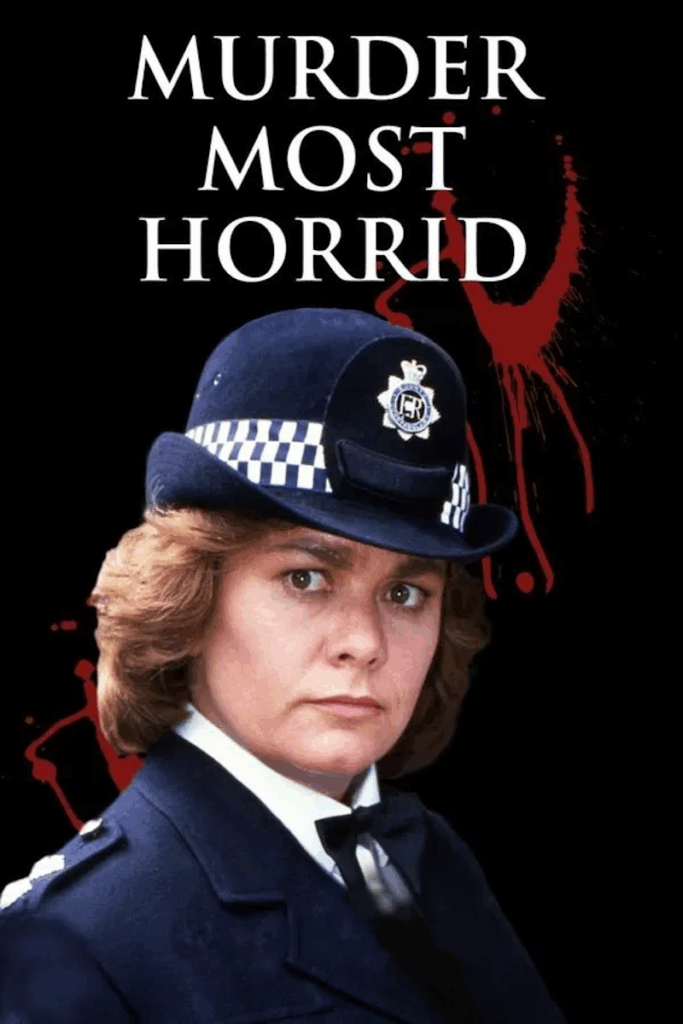
The Great British anthology series has had many vestiges throughout the broadcast years. Often finding a home in the mysterious or macabre genres, horror anthologies and the BBC go together like strawberries and cream and arguably peaked in the 70’s with series like Dead of Night and Supernatural, individually produced tales of fright which delighted viewers. As vehicle for burgeoning talent – writing, acting and production – many future success stories had the opportunity to ‘cut their teeth’ in an anthology series. Usually, these series hold completely disparate stories, distinct from one another. Less common are anthology series that hang off a common thread, especially a central actor or actors that feature in each episode. Long before Inside Number 9’s Reese Shearsmith and Steve Pemberton penned and starred in every episode of the beloved cult favourite, Dawn French had a good pop at holding forth in her own murderous anthology vehicle – Murder Most Horrid.
For four series, broadcast on BBC2 between 1991 and 1999, Murder Most Horrid showcased the sketch comedienne French as the central character in each episode and featured a who’s who of nineties BBC acting talent (including a few future Hollywood favourites) getting murdered in various darkly comedic ways. Perhaps as interesting as the starry cast is the writers log – penning episodes are award winning children’s author Anthony Horowitz, Private Eye editor and Have I Got News For You star Ian Hislop and future Doctor Who showrunner Steven Moffat who gave us three episodes throughout the series run.
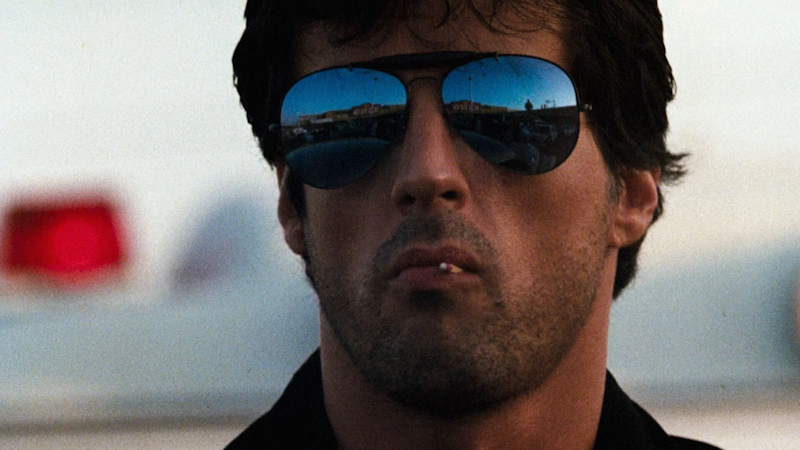
Overkill is episode 1 of series 2, broadcast on 3rd March 1994. It focuses on French as Tina Mellish, a suicidal Brummie who has hired a hotel room with a view to hang herself, leaving a tape for her mother explaining her motives for doing so. Unfortunately for Tina, her hotel room is the perfect spot for assassin Carmella, who interrupts Tina’s plan to carry out a hit on a local businessman in the building opposite. Carmella enlists Tina as a pawn in the hit, blackmailing her in to carrying out the murder on her behalf. Tina’s attempts to reach the businessman in question results in several hilarious fatalities and while Carmella gets her man in the end, ensuing events mean no one emerges in tact. Tina meanwhile finds a new lease on life and is briefly reunited with her Mum before going out with a final bang. The episode opened the new series of MMH and was pointed out as a highlight in the series.
As well as featuring some well-known dramatic actors alongside French (Amanda Donohue and Bond’s Colin Salmon), the dark themes of the suicide and murder sit alongside quick and witty dialogue, especially between Donohue and French who interact either in person or via earpiece throughout the episode. There’s a great circular feel to this episode, it’s incredibly satisfying to watch it come to it’s conclusion through the various machinations of the hapless Tina, who the audience can’t help but root for, given her diminutive status next to the confident and deadly Carmella. This is Moffat writing with a flourish here – it’s fast paced and funny despite its dark themes and he manages to make this fantastical situation grounded in reality – not gritty, but real, with good steps to how and why the characters act the way they do. Moffat had some fantastic one-and-done episodes of Who, especially in his early tenure with Amy and Rory, but his writing for Who is much grander, on a larger scale than this episode ever gets. His witty back and forth is in both, but Overkill shows Moffat bringing this to a domestic level and keeping it punchy at 30 minutes. Proof that he doesn’t need an entire series to tell a good story (cough Silence Will Fall cough, cough).
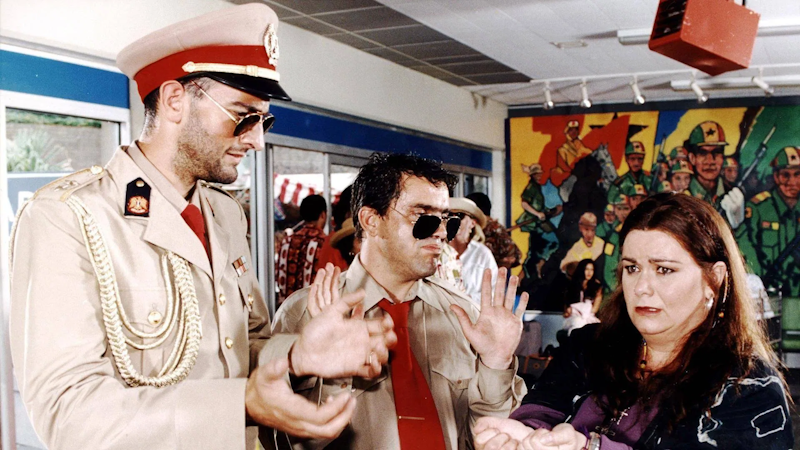
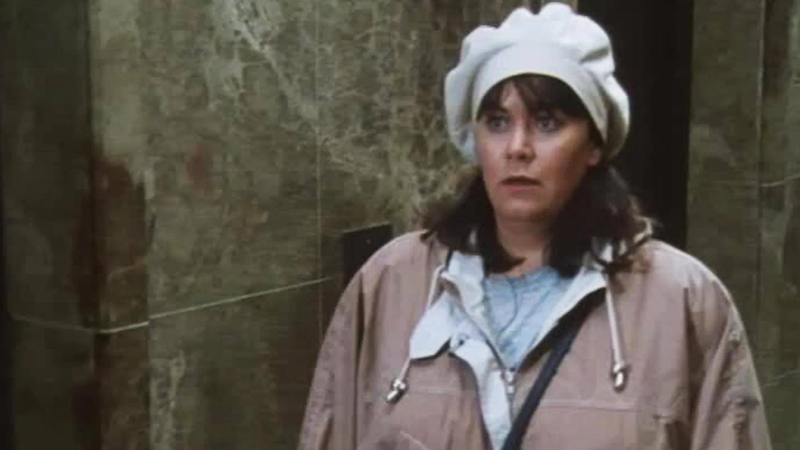
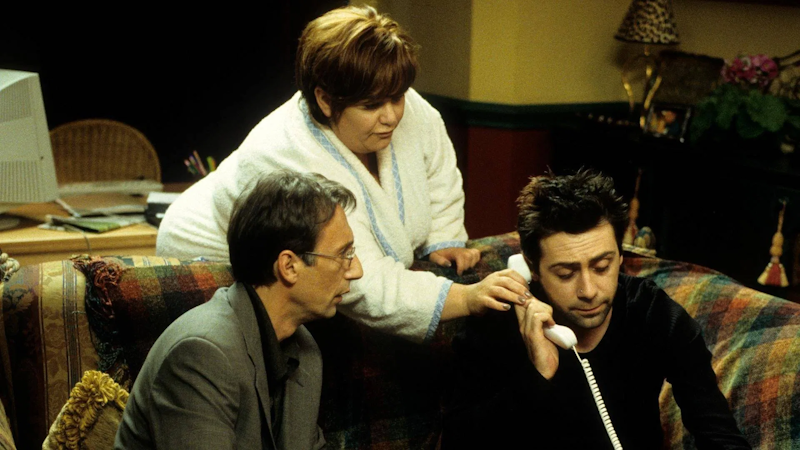
Dying Live, episode 3 of series 3, broadcast May 1996 follows animal loving abattoir worker Daisy Talwinning (French) who, fired from her job for being too soft on the animals, finds herself mistaken for a professional executioner hired by the government of a foreign power to execute a rebel leader live on television. Daisy plays along, thinking that she has been hired for her sausage processing prowess, until realizing the authoritarian government has given her no choice but to carry out the grisly act and execute the dreamy rebel leader. Daisy’s hesitancy means that she makes multiple mistakes in the murderous process and eventually prevents the rebel leader’s murder while effectively dispatching the entire government and annoying American camera crew, freeing the country and becoming its heroine in the process.
Again, here we see Moffat writing with flair, albeit with a little less sparkle than his previous episode, especially given the larger scale of the setting. The dialogue is less pithy, the story slightly more plodding, but the finale is no less satisfying as the bad guys get their comeuppance and main character Daisy get a new chance at life away from her dreary home. Similarly to Overkill, the main character of this story finds themselves thrust into a situation due to unforeseen circumstances, and the humour exists in this ‘fish out of water’ doing their best to do something completely alien to them. Perhaps this episode plays more into Moffatts love of fairytale motifs, a running theme of his Who tenure. Daisy is a princess in waiting, the rebel leader is her prince and she gets her happy ending with the bad guys perishing. While the ending is a satisfying one, this isn’t a standout episode of the series, with episode 1 (Girl Friday), or episode 5 (The Body Politic) being superior macabre tales.
Moffat’s last contribution to MMH was series 4, episode five, Elvis, Jesus and Zack, broadcasting in March 1999. This episode features French as a bored obituaries editor at a news TV channel, Jill Tanner, who’s desperate for a high-profile death to justify her department and job under a new young boss. Jill comes across faded rock star Zack Mitchell in a drunken state and takes it upon herself to capitalise on this by claiming he has in fact died, therefore saving her job and giving his career a fake posthumous boost. Soon, Zack’s in more demand than ever, the only problem being that the world thinks he’s dead. Jill revels in the power, but the police are wondering where the body is as Zack becomes disillusioned with life after death. In a dramatic denouement, Jill manages to evade the police spotlight while Zack realises that he has joined the illustrious pantheon of celebrities who are sometimes spotted following their death, the fact that he’s still being alive no longer seems to matter.
Moffat’s being a bit more interesting here and playing with the morality of his protagonist. Jill is a questionable character – she’s motivated by selfish reasons to preserve her job but also enjoys the power she develops – there’s even a moment where we wonder if she’ll kill to protect her secret. Again, unforeseen circumstances play a big part in the story, as Jill and Zack meet unexpectedly and she does enter into her scheme with no plan for what happens next. Perhaps the biggest commentary is on the media and people’s belief in what they are told, as opposed to the truth – Zack is dead because the television news told people he was, even when the police claim there’s no body and he literally puts himself back on live TV, he’s still not believed and Jill claims victory. There are some damning realities delivered by Jill regarding people’s approach to celebrity and beliefs – she states menacingly to a confused Zack when he states it’s not true that he’s died – ‘Not truth? Zack, we are the truth’ and tells him she has already killed him, meaning she has no need to commit the act. It’s unique in MMH as an episode where no one actually dies and is a clever ending to a mediocre episode. Maybe this is where Moffat got his resistance to killing his Who companions off, refraining from actually killing them in favour of an alternative to death that still removes them from the show? Well, that’s alright then! And it’s alright here – it works well.
While Murder Most Horrid and Doctor Who don’t share many similarities thematically, the seeds of Moffat’s style of writing are here on show in his episodes. Key to them are the wit and knack for satisfying storytelling he displayed in abundance throughout NuWho. Who gave Moffat a huge, grand scale to tell stories and I think he’s enjoyed that scope in his projects since, but MMH proves he is able to write tight, satisfying stories and deliver a message within a smaller scale, especially within the constraints of thirty-minute episodes. I would like to see Moffat contribute more to more series like this. Maybe it’s time for an anthology series to hang off a writer as opposed to actors – step forward Moffat, your time has come!
MURDER MOST HORRID IS PART OF THE OUTSIDE THE BLUE, WHICH CONTINUES HERE AND OUT PATREON EVERY MONTH