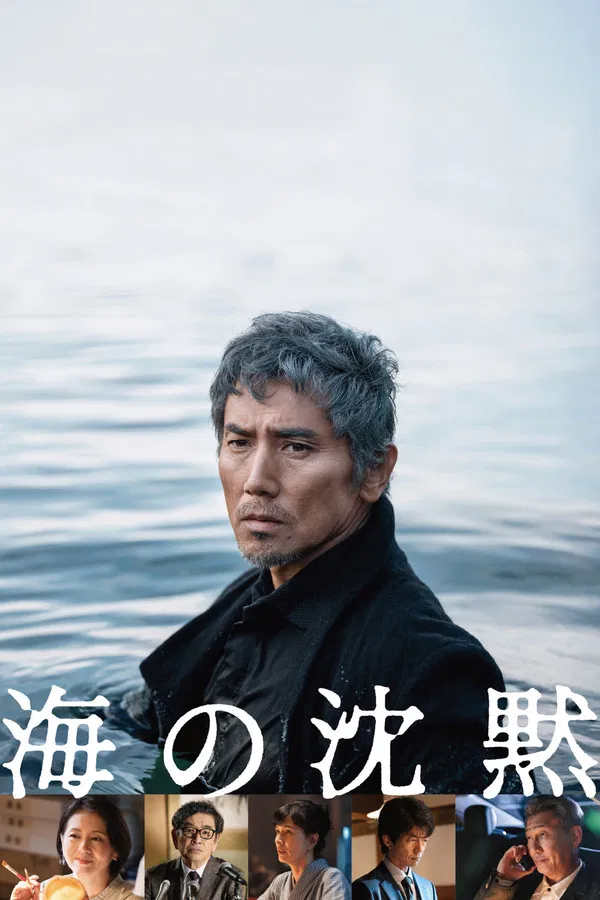
It’s crime, but is it art? Art forgers are a strange breed of criminals, in that the criticism they inspire is closer to the criticism I’m writing here than the moral denunciation given out to other outlaws. Most people aren’t ethically offended by someone turning out counterfeit Roman sculptures or Vermeers. Indeed, there may be a certain admiration for anyone who can successfully fool the experts in such a highbrow field, a subversive glee explored perfectly in Orson Welles’s classic art-hoax documentary F for Fake. But it does invite the question: if a hoaxer’s painting is indistinguishable from a masterpiece, shouldn’t the hoaxer themselves be considered a master? There is a rich literature on this topic, including novels by Peter Carey, short stories by Jorge Luis Borges – even, in the form of Shaun Greenhalgh’s A Forger’s Tale, one great autobiography by a real-life art forger. But other than Welles, few film-makers have delved into the controversy.
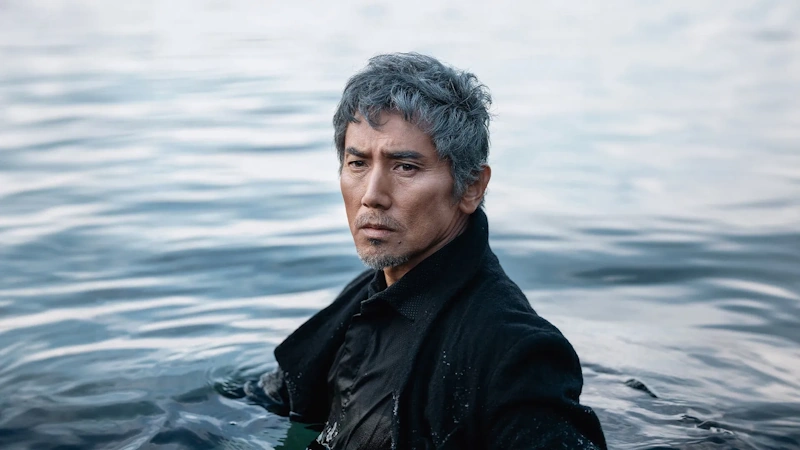
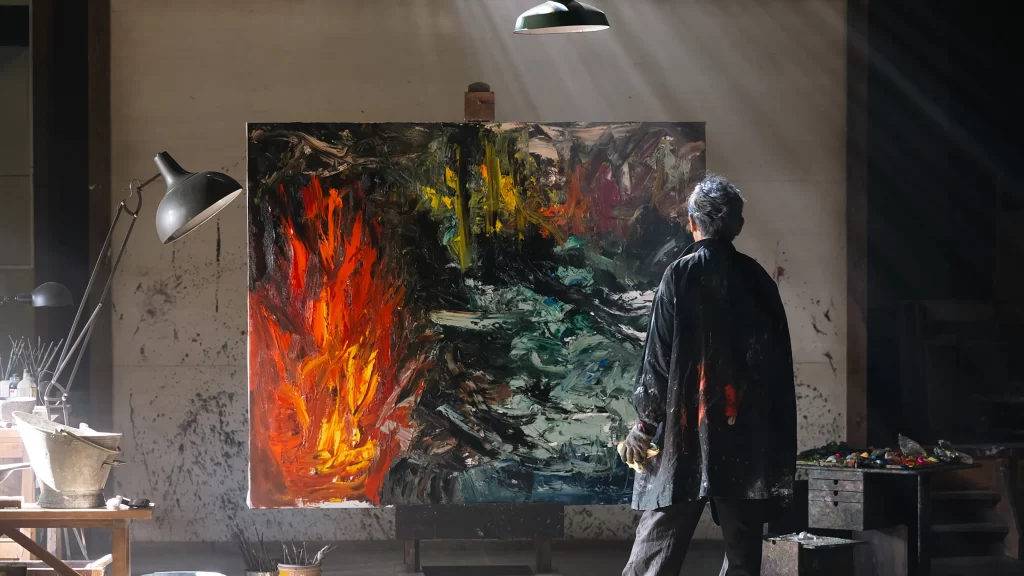
Setsuro Wakamatsu’s 2024 feature Silence of the Sea, currently showing in UK cinemas as part of the Japan Foundation Touring Film Programme, is therefore a rare cinematic consideration of one of the most fascinating quandaries in art. It would be welcome even if it didn’t have a fresh perspective on the issue, which it does. Rather than view the issue from the wry, playful angle found in Western and/or Anglophone works about art forgers, Silence of the Sea takes a very Japanese standpoint: this is a matter of honour. Indeed, it’s honour that sets the scandal in motion. Confronted with an unfamiliar painting at what’s supposed to be a retrospective of his work, the great landscape painter Tamura spots a forgery. He has to speak up, he explains, not because the quality of the fake is beneath his usual standards, but because it’s better than his own work. “Even now, I can’t depict the power of the sea like this”, he admits. Maybe in another country, an artist would shut up and accept the praise, even if it was undeserved. Tamura could never be so dishonest.
An absorbing, well-acted Japanese take on the kind of cultured thriller normally associated with French directors – more Ozon than Ozu.
FOR MORE ON THE SILENCE OF THE SEA AND THE JAPAN TOURING FOUNDATION, CLICK THE POSTER AT THE BOTTOM OF THE ARTICLE
The fact that the script, written by veteran playwright and screenwriter So Kuramoto, centres on a painter of seascapes evokes Hokusai, whose The Great Wave may be the only Japanese painting many Westerners are familiar with. Sure enough, the fictional Tamura is credited by a newspaper with producing “Western-style painting”, and his international profile adds some high stakes to a drama that might otherwise seem quite rarefied and academic. There is big money riding on a Tamura exhibition, and before long bodies start mounting up. But the film does acknowledge the more amusing, ironic side of the issue. When the news about the forged painting gets out, it makes the exhibition an even bigger commercial success. Tourists and locals alike queue up to see the scandalous painting in much the same way that people in the early 20th century went to the Louvre to see the space left by the stolen Mona Lisa.
There is a lot going on in Silence of the Sea, sometimes a little too much. The film has a pleasing tendency to jump ahead of where the audience might expect the crux of the drama to lie. When Tamura discovers the forgery, we may assume the rest of the film will be about covering it up, but this news actually leaks very quickly. The film switches track to follow the quest to unmask the forger, and without spoiling anything this question gets answered more swiftly than you’d think too. It makes for an experience that’s a lot pacier than you’d expect from a drama about art forgery, but it does gallop through some subplots a little too quickly. A murder mystery subplot, in particular, drops in and out, and as a result it never feels as detailed or compelling as the more unusual subject matter it’s couched in.
Mostly, though, this is an absorbing, well-acted Japanese take on the kind of cultured thriller normally associated with French directors – more Ozon than Ozu. And what does the title mean? Well, there’s an actual meaning in the script – but I think Kuramoto might have been inspired by another French source, Jean Bruller’s 1942 novella Le Silence de la mer. Published anonymously during the Nazi occupation and a big hit among French Resistance members (one of whom, Jean-Pierre Melville, filmed it in 1949), it tells the story of a bookish Francophile German soldier gradually realising that his nation’s goal is to obliterate the French culture he admires so much. Wakamatsu’s Silence of the Sea is less politically fraught, but the two works share a core value. Art is possessed of a morality, whether we want to admit it or not – and art that is also a crime is more morally weighted than usual.
Silence of the Sea featured as part of the Japan Touring Foundation 2026 Film Programme