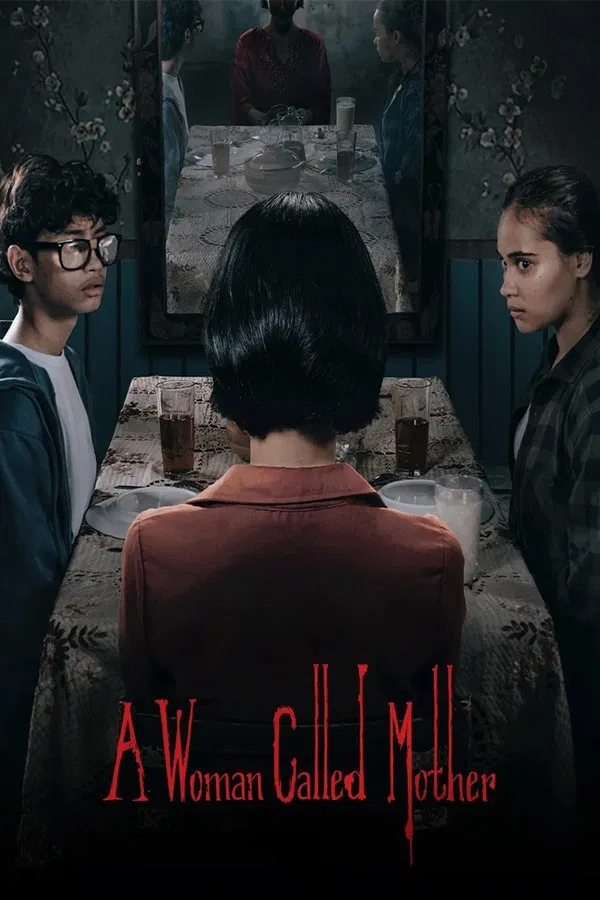
The Indonesian horror scene is currently doing very strong domestic business; it hasn’t had a break-out international film on the level of Japan’s Ringu or South Korea’s A Tale of Two Sisters yet, but you wouldn’t bet against it happening. Randolph Zaini’s A Woman Called Mother probably won’t be that film, but this isn’t necessarily a criticism. It is overlong, uneven and overly reliant on jump scares; it also has memorable, relatable characters and is powered by resonant, intriguing local mythology. It also has some interesting things to say about some of the most divisive elements of modern horror movies.
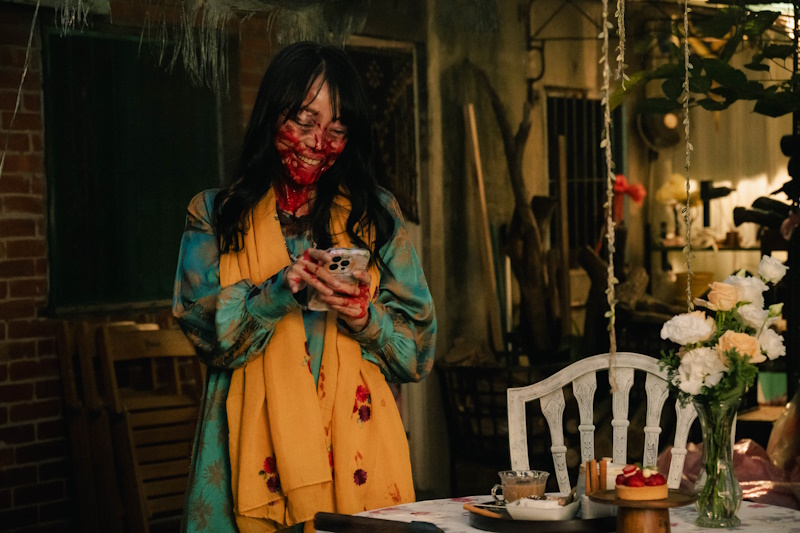
First, a bit of set-up. We’re introduced to the story through the eyes of Dino and Vira, two siblings played by Ali Fikry and Aurora Ribero respectively. They’re wannabe paranormal vloggers, and when their family moves house they’re optimistic that their new home will have plenty of ghosts to film. For their mother, Yanti, the new home is an opportunity to escape something haunting her. She is recovering from a breakdown after the death of her father, and for a while she succeeds in escaping her demons, opening a hair salon and throwing herself into her work. She does, admittedly, have a strange, glazed-over affect as she hands out flyers for her new business, but that might just be the aftermath of trauma.
It’s spoiling nothing to reveal that it isn’t. Indeed, anyone weary of the current trend for trauma plotlines in horror might enjoy how A Woman Called Mother puts such a heavy accent on the supernatural over the psychological. Which isn’t to say that none of the horrors that follow are meant to be read metaphorically, or that they don’t relate to the character relationships established in the non-horror part of the narrative. Clearly they do. But Zaini is far more invested in making a possession horror movie than he is in writing a treatise on grief and family breakdown.
But it does nothing to dispel the notion that, when that one breakthrough film finally comes, Indonesian horror is ready to take on the world.
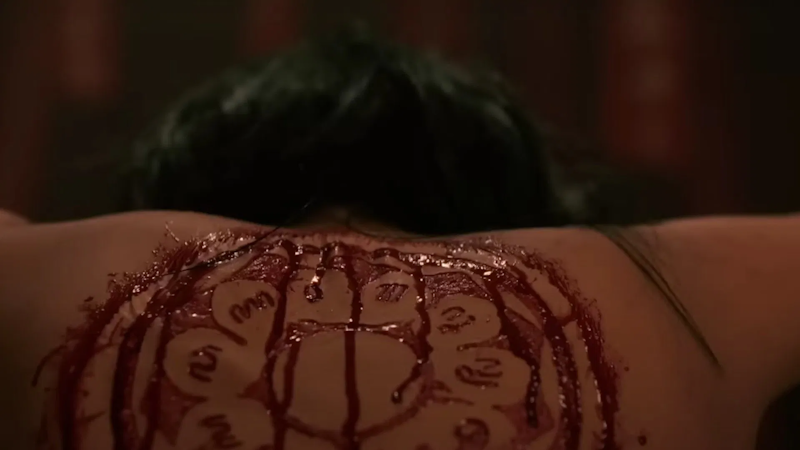
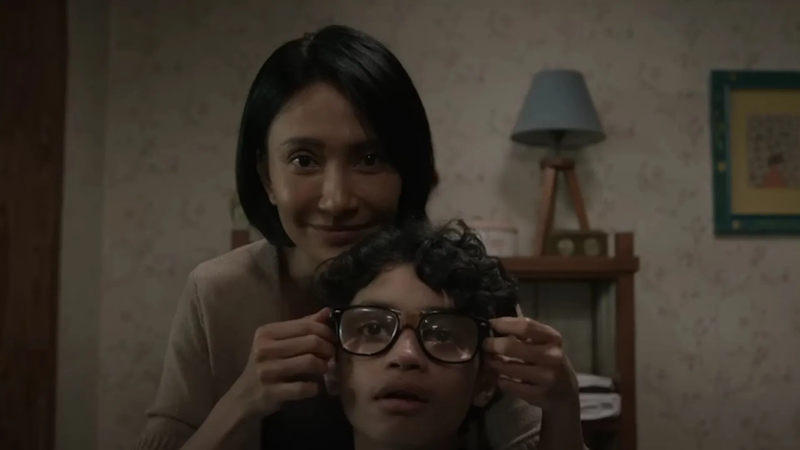
As a horror movie, A Woman Called Mother is slightly uncertain in its tone. Sometimes enjoyably so: Dino and Vira are far livelier and funnier leads than you’d expect from reading the plot set-up, and their fannish, extremely online relationship to the paranormal allows us to look at the movie’s horror devices with a certain distancing irony. This is fun for a while, and Fikry and Ribero are extremely likeable and effective in their roles. They’d fit neatly into a campier horror-comedy version of this story – Mommie Dearest meets Hereditary, you might pitch it as – and the film sometimes struggles to transition into its darker areas. The flash-cuts of (mostly animal) gore are overused, as if Zaini wants to reassure you that this is still a horror movie. There is also an example of the classic cat-jumps-out scare where the cat is shown on screen before the jump, which is an odd choice.
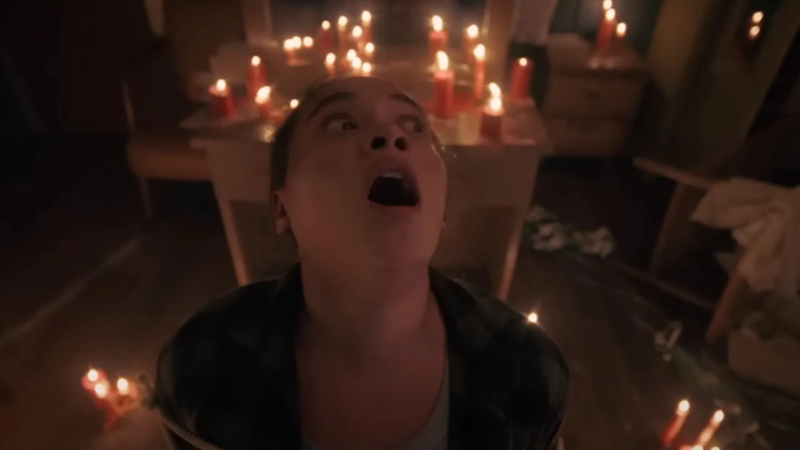
There are also areas where the move into full-on genre territory really pays off, not least in the characterisation of Yanti. On paper, A Woman Called Mother‘s older female villain makes it an example of the resurgent wave of “hagsploitation”, but in practice it plays out differently. The fact that actress Artika Sari Devi is a stunning former beauty queen who looks far younger than her forty-six years thankfully means we don’t have to sit through the usual juvenile use of wrinkled flesh as a shock tactic. This is a relief, but the real winning element is how sympathetically she’s written. As in Twin Peaks, the possession device allows the ostensibly wicked parent to be redeemable, and Zaini keeps on working Yanti’s experiences of motherhood and womanhood back into the supernatural aspects of the plot. At one point, a medium tries to exorcise the evil spirit from her, and the ritual looks far closer to a back-alley abortion than anything from the Conjuring franchise.
In the end, A Woman Called Mother is a mixture of the local and the universal. At one point, paranormal geek Dino asks why “Indonesian ghosts these days love bridges”, which is not a question any Westerner will have given thought to, but the Band-Aid covering his broken glasses is recognisable world-wide as a signifier of nerdiness. There are allusions to Indonesian folklore, but also Greek mythology. The possessed Yanti’s attacks on her children occasionally resemble a reversal of Oedipus Rex, while at one point the kids try to sort out their family strife with the help of a woman called Medea. (There’s your first mistake!) It also reflects trends in worldwide horror in less laudable ways, most obviously the fact that it’s at least fifteen minutes too long. But it does nothing to dispel the notion that, when that one breakthrough film finally comes, Indonesian horror is ready to take on the world.
A WOMAN CALLED MOTHER HAD ITS WORLD PREMIERE AT FANTASTIC FEST 2025