Nostalgia ain’t what it used to be. When Bob Clark made A Christmas Story, he could afford to hinge whole subplots on the Little Orphan Annie radio show or leg-shaped novelty table lamps, safe in the knowledge that these items of retro kitsch had no further market value. Nobody was plotting a leg-shaped table lamp cinematic universe. By contrast, when I look back to my ’90s childhood it seems as if everything except Global Hypercolor t-shirts is the property of some mega-corporation trying to flog updated versions to Gen Alpha, and I’m sure they’re working on the shirts. The problem for any film-maker trying to make a low-budget coming-of-age movie based on personal memories, then, is that all the props and reference points they need are beyond their budgetary level. Could you have a character watch Biker Mice from Mars in your indie movie, or is someone keeping hold of the rights so they can make a $200 million film version with Ryan Reynolds?
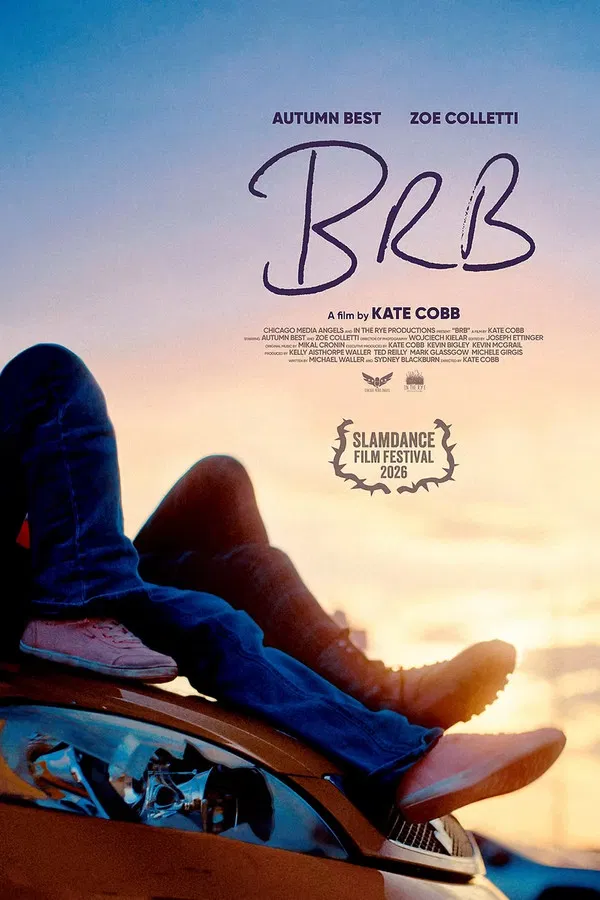
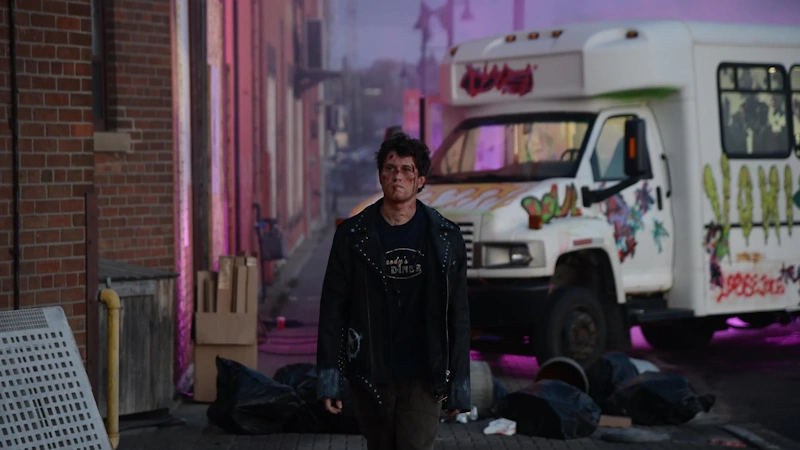
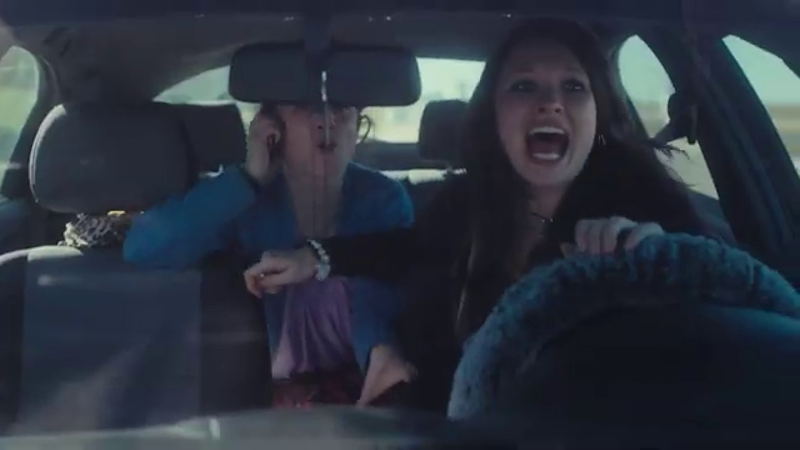
BRB, Kate Cobb’s second film following 2024’s Okie, finds the most creative way around this. It’s the story of Sam and Dylan, two teenage sisters going on a road trip in order to meet the boy Sam met in a chatroom. The chatroom itself is fabulously evocative for anyone who was a teenager during BRB’s turn-of-the-millennium setting: comic sans font in lurid colours, an AOL logo (so apparently there’s one period brand that isn’t being made into a Disney+ series). The chatroom itself, though, is devoted to the fictional teen TV soap Riverview. Riverview doesn’t permeate the kids’ life as much as the similarly-fictitious The Pink Opaque does in I Saw the TV Glow, but there are some shrewd moments that knit together Cobb’s story and the story her characters are obsessed with. Discussing their parents, “the dictionary definition of the high-school sweethearts success story”, Sam and Dylan agree they’re just like Keith and Sarah from Riverview. We never learn much more about Keith and Sarah, and we don’t need to – the casual nature of the mention, the fact that these two characters are the girls’ immediate reference point for romance, is what matters.
This is good stuff, and it’s something nostalgic media has needed to do for some time in my view. The Ready Player One/Peter Kay version of nostalgia, where the audience is meant to find a string of references to things they remember interesting in and of itself, has pretty obviously ran its course. It’s more challenging and interesting to evoke the past rather than simply mention it. On the evidence of BRB, Cobb has the right ideas but isn’t executing them well enough yet. Some of it may be budgetary. We hear one song from The Sea Monkeez, the fictional post-grunge band Dylan is a fan of, and maybe there just wasn’t enough money to record the full EP that would make this element feel more realistic. Some are just outright anachronisms: was anyone back then really saying “We had one job”?
FOR MORE ON SLAMDANCE AND BRB, CLICK THE POSTER AT THE BOTTOM OF THE PAGE
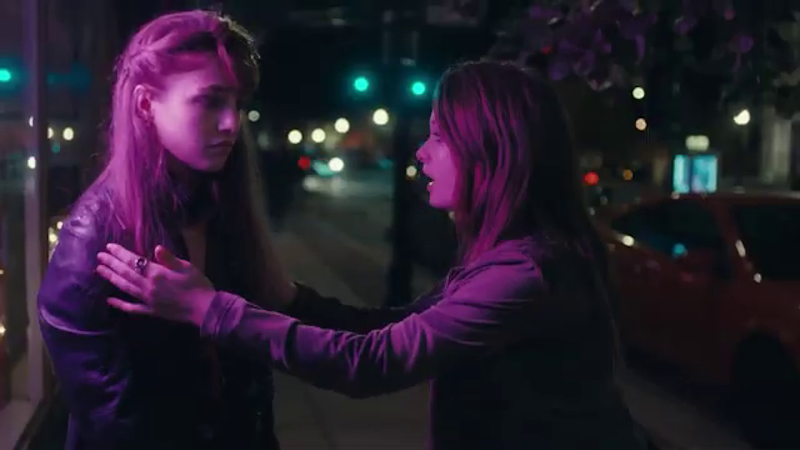
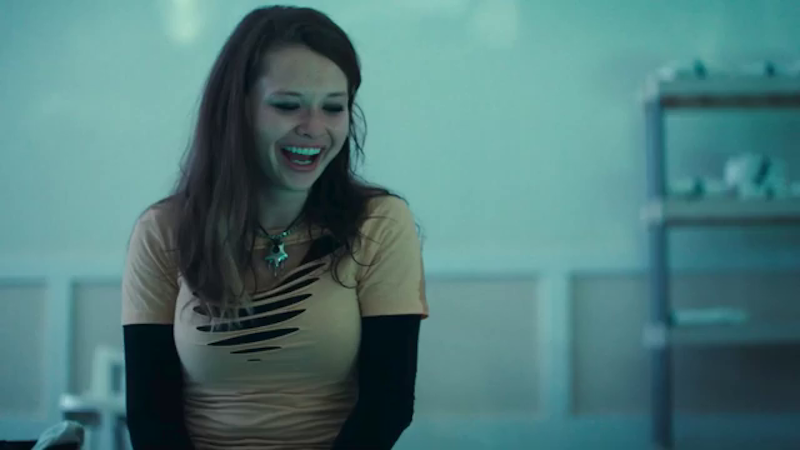
In the end, BRB‘s true retro focus isn’t the 1990s but the 1890s, specifically 1897, when Edmond Rostand wrote Cyrano de Bergerac. The plot reveals itself to be a Web 1.0 rewrite of that sturdy comic play, with Sam using pictures of Dylan in order to present herself to her crush as being more mature than she really is. It’s to Cobb’s credit that she never goes full stranger-danger with this. Aside from anything else, a more melodramatic plot would risk overshadowing the slow progression of the sisters’ relationship, which is where the film really shines. Autumn Best and Zoe Colletti are very good in the lead roles, portraying a genuine loving bond between people who constantly get on each others’ last nerve.
Both of Cobb’s features are about the effects of travel on family relationships, albeit from the opposite perspectives. Okie is about someone travelling back home to reunite with people they once lived with, and BRB sees characters strike out onto the open road only to end up renewing their fondness for home and family. It could have ended up as pure sentimentality were it not for its little notes of caustic observation, most obviously in the character of Dylan’s on-off boyfriend. A serially unfaithful musician, Dylan damns him and his music as “self-masturbatory” only for him to fire back “Self is implied in masturbatory”. A lazier script might have given the funnier line to Dylan, who is, after all, the character we’re meant to sympathise with here, but Cobb is too good a writer to make her characters into impossibly articulate zinger dispensers. They’re teenagers trying to struggle through ordinary dilemmas, and her script never loses sight of that.
Cobb is, at this stage, a better writer than she is a director, with the film’s farcical scenes lacking the energy and desperation needed to make them truly funny. I’ve stated that her decision to evoke nostalgia through atmosphere rather than concrete reference points is the right one, but it’s also an area where Cobb the director is struggling to keep pace with Cobb the writer; the mood, visuals and tone of the film are all very 2020s indie, all underlit digital and faded colour. If her formal abilities can match the subtlety and character focus of her writing, she could pull off something genuinely special. She could make something that means as much to people as the Season Five finale of Riverview means to Sam.
BRB HAD ITS WORLD PREMIERE AT SLAMDANCE 2026