It’s been clear for a while that script editor Anthony Read and producer Graham Williams are under strict instructions from the BBC not to delve too much into the horror territory that got their predecessors Robert Holmes and Philip Hinchcliffe into trouble. Williams did so a couple of times in his first season – Horror of Fang Rock and Image of the Fendahl – which you could write off as teething troubles. Here, though, is The Stones of Blood, broadcast halfway through their second season, a season which saw them bring lots of fresh new ideas in. They could have made it about anything, but it is about a Druidic human sacrifice cult in modern Britain whose place of worship is a stone circle, two of the stones in which are actually silicon-based aliens who drink human blood.
For people who were hired specifically to steer the show away from Hammer Studios territory, this is an odd decision. Around this time organised fandom was starting to gain strength, and with it came the fan ritual of being a prick to the showrunners. Williams’s detractors claimed he wanted to make Doctor Who into an unchallenging kiddie’s comedy show, and The Stones of Blood does, at least, show they were wrong. He wasn’t opposed to including frightening or suspenseful material – he was forbidden to do it. It’s this behind-the-scenes tension that makes the first two episodes of The Stones of Blood such an uneasy mix. What writer David Fisher (a new writer brought on for the 100th story! Good luck there!) is attempting to do here is a Robert Holmes story where the violence and threat is turned down to an acceptable minimum. There’s plenty more to a Robert Holmes story than violence and threat, of course, but it still leaves a big hole to fill.
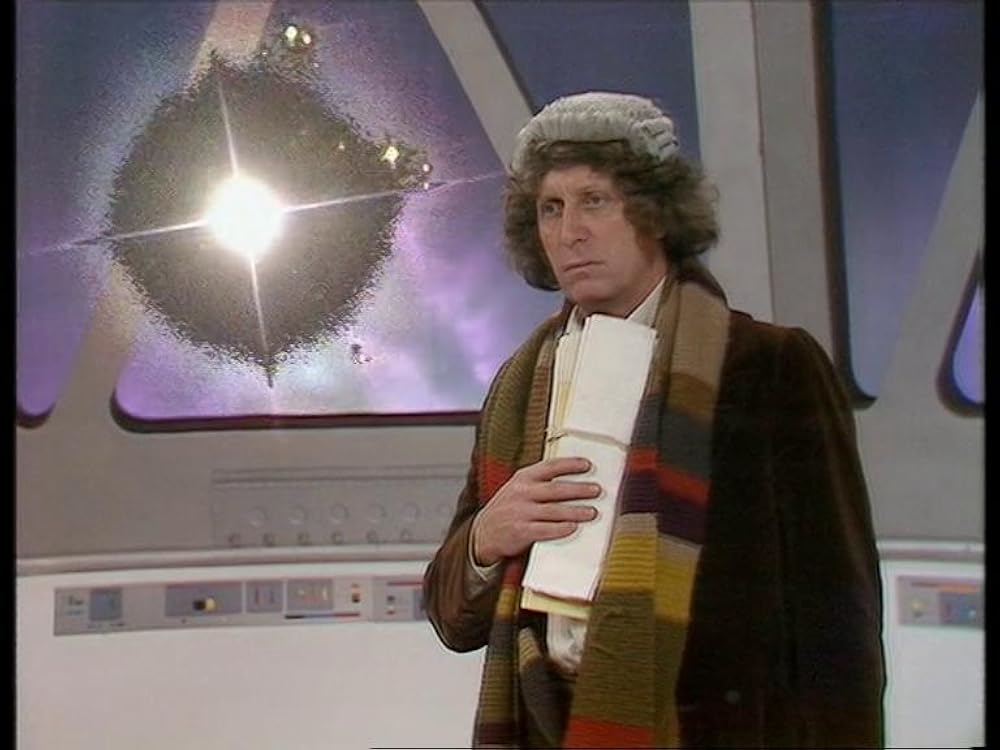
Indeed, The Stones of Blood is sometimes actively contemptuous towards its horror material. The leader of said Druidic cult turns out to be a decoy villain, unceremoniously crushed to death in the middle of episode two. There are reasons why Fisher may have been drawn to this twist, which we’ll get onto later, but the final episode reveals the true core of the story as an alien prison ship in hyperspace. This is where the serial’s defenders – and it has many fans – generally concede defeat, noting that the Megara spaceship is less atmospheric and interesting than the folk-horror set-up. In truth, there’s a fair bit to enjoy here. Baker is having a ball in the alien courtroom, pulling a lawyer’s wig out of his pocket in a very strange gag. The Megara themselves – haughty balls of glistening light – represent a rare success at depicting a completely non-corporeal alien in pre-CGI Who. It has a rubbish spaceship, yes, but then the Earthbound scenes have a rubbish rock monster, so let’s call it a draw. (And actually Mat Irvine’s spaceship model looks good in behind-the-scenes photos, suggesting that one-off Who director Darron Blake, whose Earthbound scenes have an almost Buñuelian elegance, just wasn’t ready for these kind of effects. He wasn’t new to science fiction – he directed a lot of episodes of The Tomorrow People – but whether you consider that a qualification or a demerit depends on your opinion of that show’s effects)
The most unexpected modern note is the take on Druidism, which isn’t just advanced for 1970s television, it’s advanced for 1970s historical scholarship.
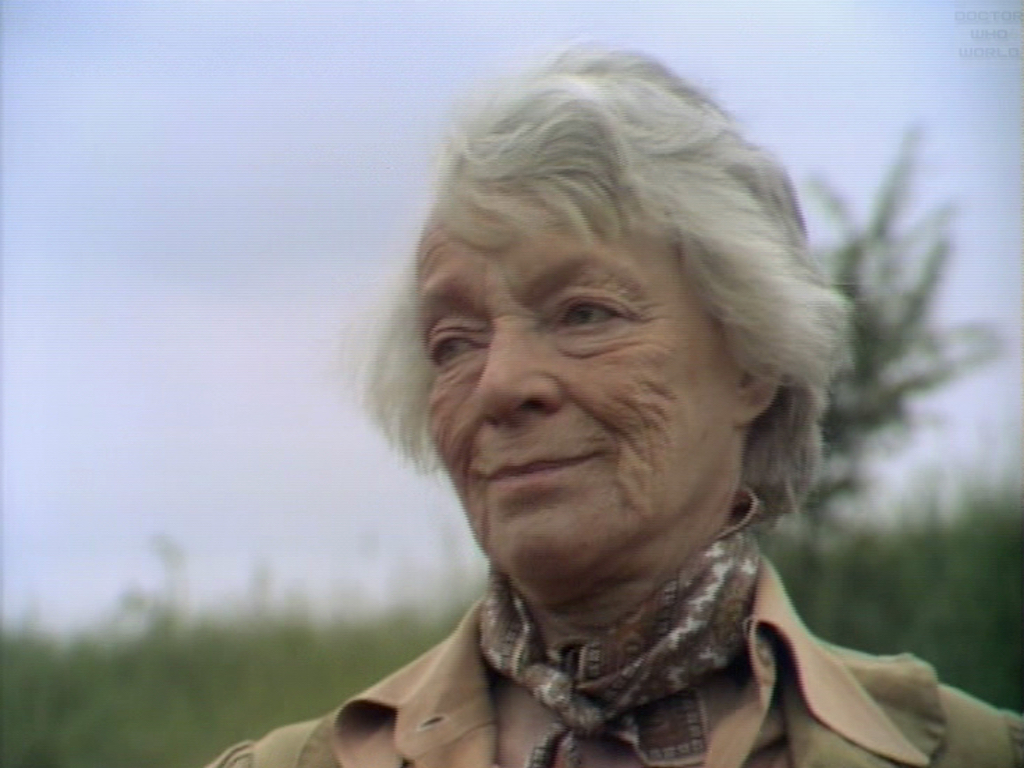
There’s also the pleasure of watching guest star Susan Engle cope with the uniquely Doctor Who challenge of playing a rural Englishwoman who is also a Celtic goddess who is also an alien criminal. Engle’s human disguise, “Vivien Fay”, is probably a big part of why Doctor Who fandom, with its hefty LGBT contingent, remembers this serial so fondly. The strictures of pre-watershed broadcasting in the 1970s cannot possibly disguise the fact that she is clearly in a lesbian relationship with the archaeology professor Emilia Rumford. Rumford is played absolutely delightfully by Beatrix Lehmann, a veteran theatre actress who was part of Tallulah Bankhead’s orbit. She repeatedly scorns men, castigates Romana for wearing impractical shoes and has an in-depth knowledge of her “friend”‘s allergies and dietary preferences. She is, frankly, a joy, and there is a sense of bitter disappointment when she doesn’t join the Doctor and Romana on their travels at the end.
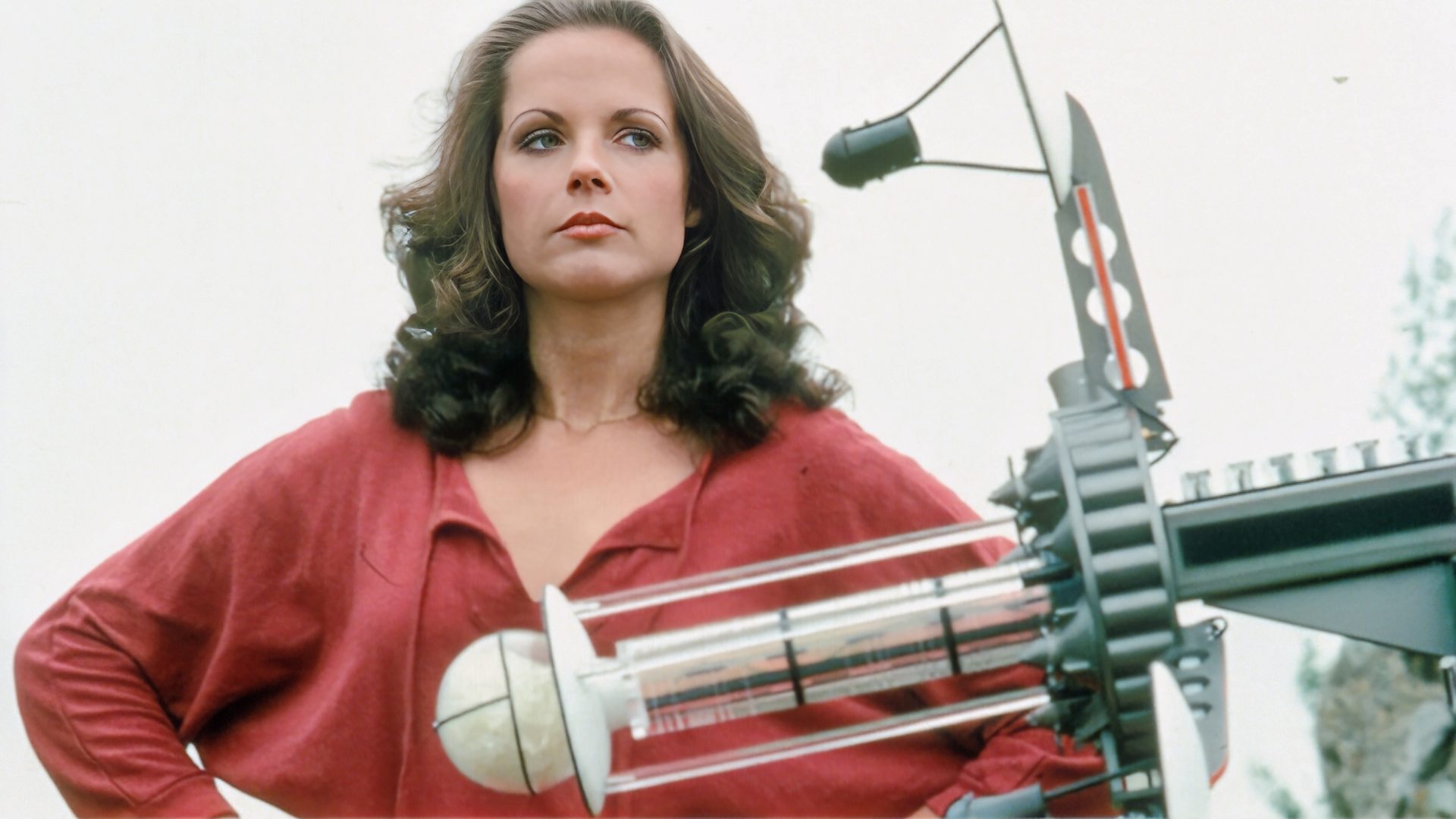
William Hartnell’s Doctor was introduced with his granddaughter, and once seemed quite charmed to have accidentally stumbled into an arranged marriage with an Aztec woman. The question of the Doctor’s personal life then faded from the show’s concerns, although the adventure-hero types that Troughton and Pertwee built their Doctors off – the mischievous trickster and the gadget-loving swashbuckler – were ones you could easily imagine having the odd fling. Baker, at this point, is playing his Doctor as overtly asexual in a way that now qualifies as queer subtext in itself. When Romana – and this is Mary Tamm’s sophisticated bombshell take on the character, rather than Lalla Ward’s still charming but more girlish version – asks him how she looks, he mechanically replies “Ravishing!” without looking up from the TARDIS controls. Baker’s characterisation of the Doctor flies off in a lot of directions over his record-breakingly long tenure, but maybe the one consistent note is a kind of obsessiveness. He appears absolutely enveloped in whatever task, whatever version of himself is presented, at all times. Maybe it’s for the best this Doctor was never sexual; you imagine he’d be a terribly clingy boyfriend.
There’s a lot of elements in here – the asexuality, the lesbian relationship, the folk-horror themes – that feel very contemporary. The most unexpected modern note is the take on Druidism, which isn’t just advanced for 1970s television, it’s advanced for 1970s historical scholarship. Dr. Anne Ross’s 1974 book Pagan Celtic Britain had broached the question of how accurate the Romans’ histories of the Druids were, considering that these histories were often written to persuade a Roman audience that ancient Britain was a land of savages that needed to be subjugated. (Engel, as Fay, even looks a bit like Ross, who became a minor celebrity after her book was released) But Fisher, who would go on to write a series of history books, has the Doctor confidently opine that Druidism itself was an invention of Caesar’s men, a conflation of several unrelated ancient British religious sects. It’s a remarkably prescient point, one which is now accepted by archaeologists as well as neopagans, who argue that a ritual does not have to be historically accurate in order to have belief invested in it. Similarly, a Doctor Who story doesn’t have to be flawless to be loved.
Next: The Androids of Tara (1978).