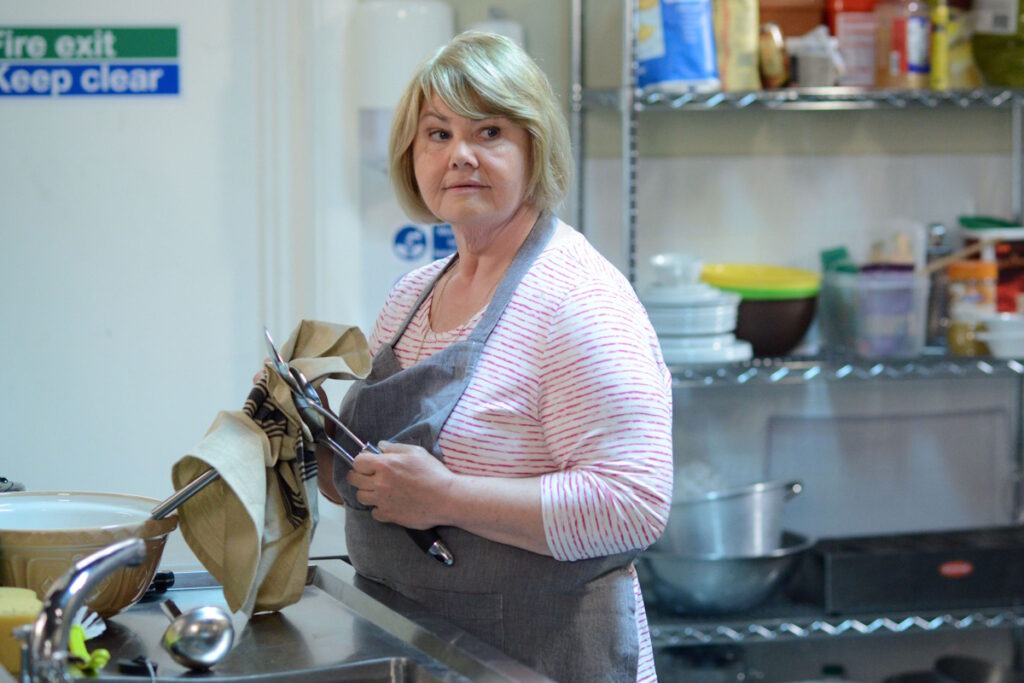
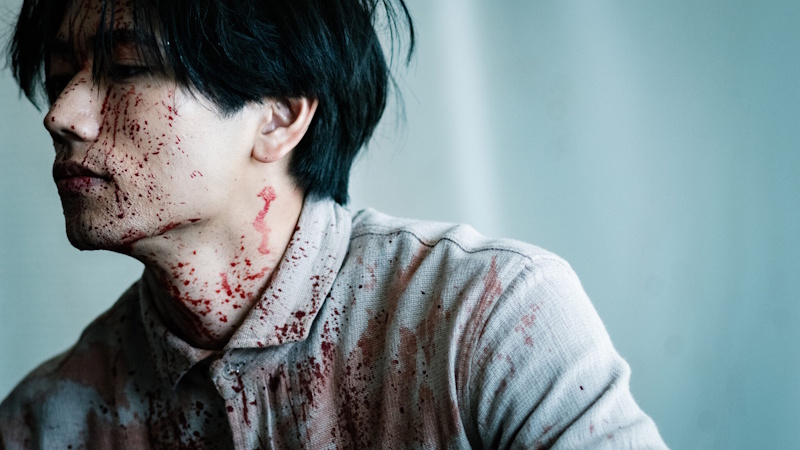
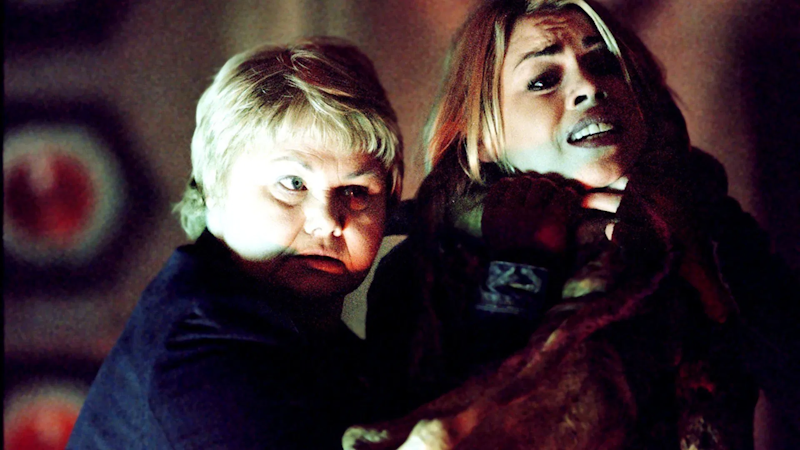
Saying ‘Doctor Who’ and ‘Eastenders’ in the same sentence sends a shiver down old Whovians spines. While the debate rages over whether ‘Dimensions In Time’ in all its hard swipe cut aways and craggy faced companions’ glory is canon or not (I promise not to mention it again), the two programs are BBC stablemates and share more than a few thespian connections. One that slightly slips under the radar, unfairly, is Annette Badland, playing the scheming Babe Smith (aka Aunt Babe) in Eastenders and the… well… equally scheming Margaret Blaine in Doctor Who (aka Blon Fel-Fotch Passameer-Day Slitheen, but that’s the last time I’ll be typing that).
Annette Badland was a well-established star of stage and screen before making her 2005 debut in the Whoniverse. She’d already had recurring roles in some iconic 80’s TV, including Bergerac, Minder & Casualty. Her theatrical background meant she played a variety of different personalities, she also embodied ‘jolly’ characters such as Mrs Wobble the Waitress in kids TV show Happy Families. She also found a niche in adult television, playing darker subjects such as Brawdie in Cutting It – excelling in resentful, angry characters. She came into the Russell T. Davies extended universe with a bit part in NuWho-prototype Casanova, playing the bawdy Pauline opposite David Tennent’s charismatic Casanova, that same year she was a farting alien in a human suit in the Houses of Parliament in NuWho’s first two-parter – ‘Aliens of London’.
When RTD brought Doctor Who back in 2005, he had a fine line to tread, remembered primarily as a kids show, the kids who watched it in its 70’s heyday had now grown into vocal adults, happy to try and take down NuWho if it didn’t meet their sky-high expectations.
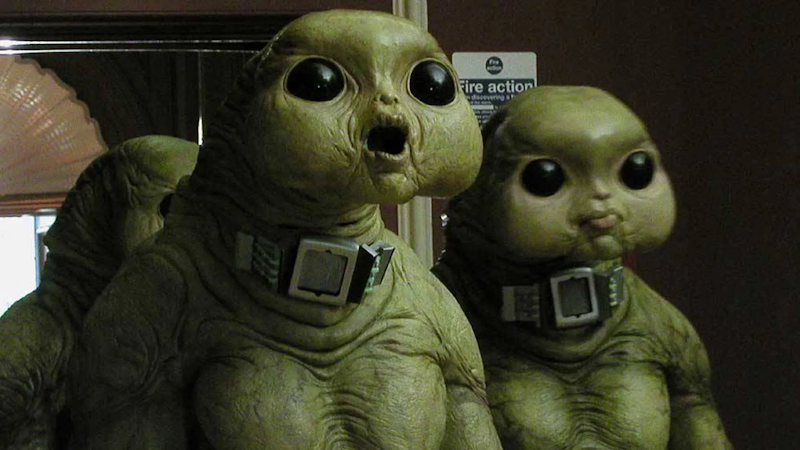
While the new series surprised and delighted most, Aliens of London and World War Three tend to split opinion due to its more child-friendly approach to extra-terrestrial life and seismic world events. The story sees the Doctor and Rose returning to London to witness a spaceship crashing into the Thames, the Doctor is suspicious and investigates its origins as the more physically larger members of the British parliament are called to Downing Street and gruesomely dispatched by a profiteering alien species called the Slitheen. Their huge green bodies are crammed into the plump MP’s human skin suits, the act of which causes the aliens to break wind regularly. Hailing from an infamous crime family, their aim is to take the world to the brink of World War three with a view to sell a decimated Earth to the highest bidder. The Doctor does what he does best, with the help of Rose, Mickey and then MP for Flydale North, Harriet Jones (yes, we know who she is), and blows up the Houses of Parliament, defeating the Slitheen in the process.
Or does he?
Six episodes later, we have the dialogue heavy bottle episode, Boom Town. When stopping to charge up the Tardis on the Cardiff rift, it transpires that the Slitheen wearing Margaret Blaine’s skin suit not only survived, but is now mayor of Cardiff. Capturing her, she once again plans destroy the planet, this time attempting to nuke the rift and ride the wave of planetary destruction all the way to Raxacoricofallapatorius, the Slitheen home planet. The Doctor vows to take her to face justice for her crimes in London and she requests a last meal, certain she’ll face death as a penalty. Despite various attempts to escape and kill the Doctor, an interesting dilemma emerges as Margaret opens up about her childhood and poses the questions whether evil is learned or created. This leads the Doctor to take mercy on Margaret by opening the heart of the Tardis and reversing her personal time stream back to pre-birth, which in her case is back to an egg, taking her to be raised by another family.
The episode touches on a lot of themes, but is important for a number of reasons – the Doctor, initially cold to her pleas of mercy, acts like an intergalactic judge and with good reason, as despite the episodes childlike qualities, the destruction in Aliens of London resulted in many deaths for which Margaret and her family are responsible. It’s a snapshot into the post-Time War Doctor mentality – justice must be done, just as he doled out on his own people to end the Time War. This episode shows a crack in his armour, this is the first time he has shown compassion to an enemy, with the situation becoming somewhat more grey. Whilst not exactly remorseful, there’s common ground between the Slitheen and Timelord.
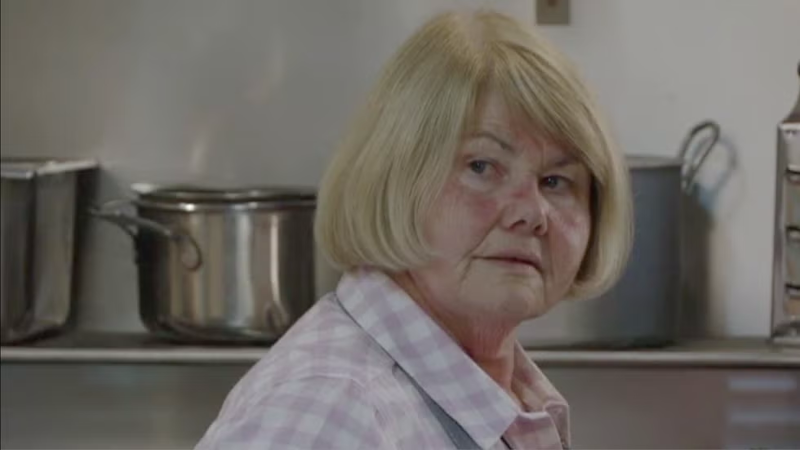
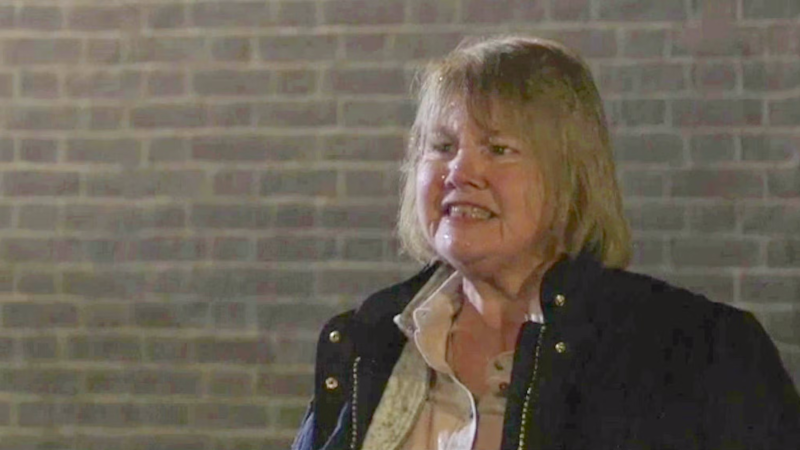
Click the image at the bottom to watch Eastenders on iPlayer (although Anette Badlands is unlikely to be in this archive as it “only” goes to 2022 – I don’t know, EastEnders is a mystery to me (Editor))
Badlands portrayal of evil Margaret Blaine, in her first two-parter, is decidedly camp, her toothy smile stretching across her face as she revels in the the disaster she is causing. Is it too much? Yes, but she’s just as ridiculous as the other Slitheen actors. Her next appearance in Boom Town displays an elevated maturity and an insight into a character allowed to grow, digging into universal moral questions and the concept of justice. The dialogue-heavy dinner date between the Doctor and Margaret, where they discuss the rights and wrongs of the nature versus nurture debate displays a deep knowledge of character motivations and development, helped with both Badland and Ecclestone acting their socks off in a Cardiff restaurant. The most powerful scene of this beautifully shot episode is its denouement, with Margaret staring into the heart of the Tardis, realising what’s happening and blissfully thanking the Doctor as she embraces her fate. Shout out to Murray Gold’s music in this scene too, forever effortlessly elevating powerful moments. From farting alien to changing the Doctor’s view of the world, that’s one hell of a character journey.
Nine years later and it’s a rainy day in Walford, East London. Mick Carter (owner of the Queen Victoria pub in Albert Square) and his family are surprised by the arrival of Aunt Babe, the sister of their estranged mother, who begs to spend more time with the family ‘like the old days’ – they tentatively welcome her back into the family fold. During her time living with the Carters, she will get caught selling marijuana, reveal the true paternity and maternity of her great nephew Mick, admit to living with their mother and keeping her a secret, admit to being a former baby farmer, admit to always loving her sisters ex-husband, helping her niece orchestrate attempted murder, helping a local girl to fake a pregnancy to force her gay boyfriend into marriage, attempting to kill her sister, blackmailing a local elderly transvestite, having a fling with and destroying a rivals relationship with a younger man, threatening multiple people with knives, serving alcohol outside of licensing hours to an undercover policeman and being kicked out of her home on multiple occasions.
Badland was brought into EastEnders by producer Dominic Treadwell Collins in an effort to build out the older members of the soaps cast. She was in good company, playing alongside some venerable actors including Timothy West and Roger Sloman. Her character was originally brought in to be a matriarchal figure, a common type in Eastenders, down to earth and no nonsense, a support for her family who were very much at the centre of the show at the time, headed up by Danny Dyer (Mick Carter), as landlord of the Vic. Badland slotted in to the extended Carter clan, but never smoothly, her character had too many secrets and too chequered a history to sit comfortably for too long and as more was revealed, her character changes to become twisted and dark, resentful of her family and jealous of newcomers.
Her longest storyline is with her sister Sylvie, played by Linda Marlow, who left her family years ago and is now suffering from Alzheimer’s and being slowly tortured by Babe, gaslit and lied to for years. Badland is exceedingly good at slow menace – presenting a smiling face to the world yet capable of changing instantly to a threatening presence in private.
Badland appears to relish the role, in a particularly twisty time for Eastenders storylines, she’s almost constantly scheming and any redeeming qualities she might have once had are drained from her as her schemes unravel. By the time she is finally kicked out of the Queen Vic by her family, she furiously curses the pub and her family, hoping they lose everything, including the pub, and – spoiler alert – they do. She does say that she’ll be back, but given Badlands continued success in Ted Lasso and Big Boys, she might just be too busy to make good on her promise.
There’s no doubting Badlands acting versatility across many years on stage and screen, so it’s fun to find similarities in these two disparate roles almost a decade apart. A big part of it is Badlands distinctive face – it’s expressive and unique, with an overwhelming smile and a sinister snarl allowing her to communicate in ways other actors are simply unable to do.
Her experience in kids TV prepared her well for Doctor Who’s Aliens of London/World War Three, as it called for a more immature approach to menace in what amounts to a simple alien story, but Boom Town displays a much more nuanced performance of the character, along with a morally grey conclusion. Aunt Babe similarly starts innocently, seeking good intentioned asylum with her family while harbouring an ever-growing list of increasingly horrific secrets about herself and the family, and a toxic personality. Not a performance for kids, Badland gives Babe an anger bubbling under the surface when her many schemes go wrong, playing on her aging into insignificance to allow her to inflict pain on others, always for her own advantage. Like Margaret, Babe is a product of her family and upbringing, growing up in relative poverty in East London, always in the shadow of her more glamourous sister and family.
Unlike Margaret, Babe doesn’t receive the mercy the Doctor showed her by allowing her to start her life again. While their fates differ, the endings of both these characters feel fitting. If only Babe had been a few years earlier, she may have found herself bumping into a Tardis outside the Queen Vic, meeting a Doctor with a kind heart willing to let her start again (sorry, I know I promised not to mention it, but it was too good to miss).
MORE OUTSIDE THE BLUE BOX CAN BE FOUND ON OUR PATREON AND ON THIS VERY SITE