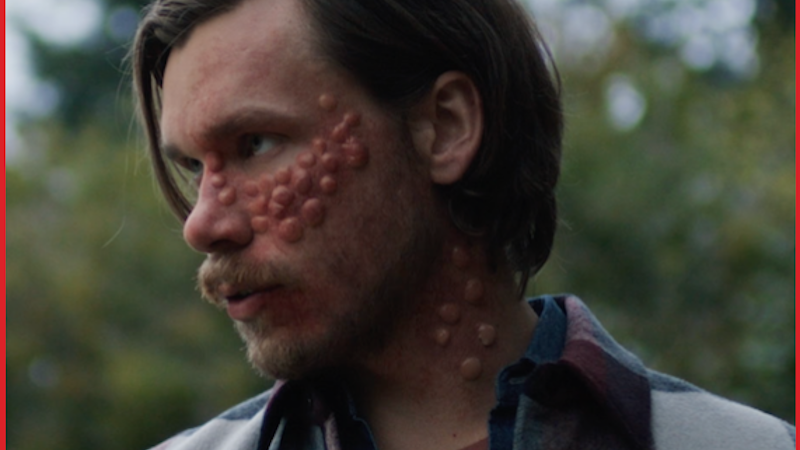
Andy Milligan was my cinematic find of 2024. I went into Seeds blind, knowing only that I had been asked to talk about it for the Calibre 9 From Outer Space podcast. What I discovered was the work of a real artist. Certainly, the dialogue sounded like it was recorded in a tin can, and the camera had an alarming propensity to spin in circles. Yet it pulsed with an undiluted anger about the monstrous nature of love that was electrifying, profound, and, most of all, true. I was so overwhelmed by the experience that I resolved to watch all of Milligan’s films to see if they were as astonishing as Seeds.
Severin’s new documentary, The Degenerate, reminds me of why I keep searching for another Milligan I will adore. It comes as part of Severin’s ongoing efforts to preserve Milligan’s output along with the screening of two previously missing Milligans this year at Tribeca, The Degenerates and Kiss Me, Kiss Me, Kiss Me! Josh Johnson and Grayson Tyler Johnson’s film serves as both a wonderful primer for those unaware of Milligan’s cinema and a rich seam of new material for the diehards. That’s in no small part thanks to the incredible archival material the directors have assembled, especially the recordings of Milligan the performer on live TV. What’s incredible is how easily he could have starred in his own films; he has the same barely repressed anger that defines a lot of the best performances there. As the talking heads attest, anger seems to be the defining emotion of Andy’s life. From his abusive childhood at the hands of his mother to a violent period in the Navy, experience made Andy Milligan a distrustful, spiteful and angry man. That potent cocktail of emotions found expression in his art but also, as Jimmy McDonough darkly alludes to, in his private life as well.

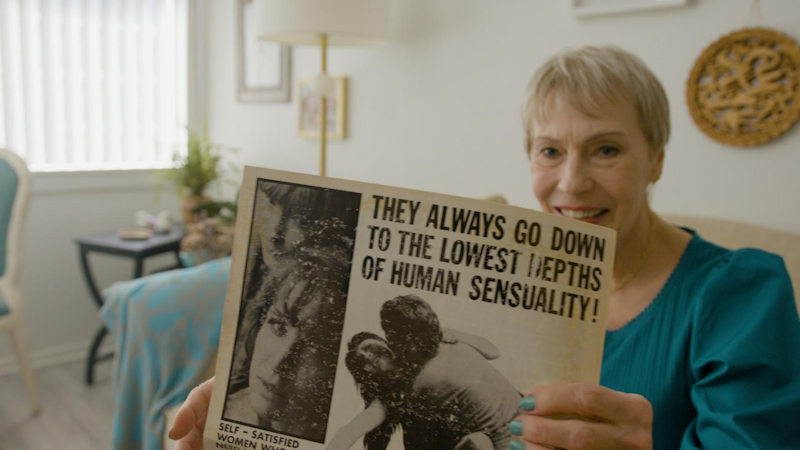
McDonough is a fitting talking head for this tale. He was the first to write about Milligan’s cinema in any serious fashion after having worked for the man in the 1980s, and he has been instrumental in maintaining his old friend’s legacy in the years since. He’s a fascinating interviewee, not just for his relationship with Milligan but for his candid demeanour. It’s obvious he holds a great deal of affection for the man even when he’s rolling his eyes at the dirt-cheap quality of his output. Working on $10,000 budgets with short ends of film stock, Milligan found himself scrabbling for time and resources he didn’t have. That the fruits of his labour were invariably pinched by his distributor, Andy receiving nothing in return, was yet another reason why Milligan spent most of his time enraged with the world.
Those who managed to evade his anger speak with a rueful warmth about the director. Most notable of those is Gerald Jacuzzo and Hope Stansbury, longtime members of the Milligan Troupe of actors that populated his films. Jacuzzo is particularly moving, not just for his sheer sense of style but for a moment near the film’s conclusion. Ashamed of the fact he never nursed Milligan during his death from AIDS, he tears up on camera, barely able to articulate that “I’m still forgiving myself for it.” He and Milligan had been lovers as well as artistic partners at the start of their nearly forty-year friendship; the sense of guilt he feels for a loved one, even one as complicated as Andy, is powerfully conveyed. Milligan was a powerful presence that attracted people as much as it repelled them, a complex dynamic that finds expression in films like Seeds or The Ghastly Ones.
The Degenerate also highlights Milligan’s identity as a queer artist, especially one working before Stonewall in the Greenwich Village theatre scene. Credit here must go to Alex DiSanto, queer historian and Andy Milligan specialist, who is extremely insightful in outlining Milligan’s queer identity. Hopefully, this documentary will be a catalyst for a rediscovery of Milligan’s queer themes by a wider audience, instead of being merely a schlock artist. The documentary does feel a little long in points; a digression to explain the mechanics of 42nd Street filmmaking is useful for neophytes but slows the pace down considerably. Nevertheless, it reignited in me a passion for Milligan’s disturbed universe and the complicated man who made it. The great Stephen Thrower, one of the talking heads, observes that “the worst sin in filmmaking is mediocrity.” Milligan’s films were crude, loud, cheap and borderline hysterical in their acting – but they were never mediocre.
The Degenerate: The Life & Films of Andy Milligan had its UK premiere at Frightfest 2025